
Silence Isn’t Golden: Why You Should Share Your Sustainability Stories
Greenhushing. Are you familiar with this word?
No, it’s not a new type of therapy, it refers to the increasing number of businesses deciding not to promote or talk about their sustainability work. And it must be a ‘thing’ because there’s now a word for it!
The question is – does it apply to your business? As a PR professional, it frustrates me enormously whenever I talk to a business owner at a networking event who admits they’re not doing their PR, usually quoting lack of time or money as the reasons.
So just what is PR?
Let’s just take a step back and clarify what PR is. It’s about telling your existing customers, prospective customers, staff and all other stakeholders – including job seekers – about your business in a way that’s personal and authentic. It’s about demonstrating that you’re worthy of them forming a positive opinion about the business, its values and what it does – and, therefore, buying from you.
PR is not about ‘spin’, it’s not about pretending to be something you’re not and it’s not about swanning about having long lunches with people you want to impress (I wish. I don’t think I’ve ever had a swanky lunch in the name of PR. Occasionally some nice sandwiches at a conference).
I know that PR can sometimes seem like a ‘dark art’ to non-PR people and come across as vague and nebulous. However, put simply, effective PR flows out of the stories you have to tell about your business as these are the foundation stones of all your communications. These stories can be turned into content for social media, blogs, campaigns, advertising, leaflets and even what you talk about to people at networking events. It’s about pushing the sales door half open so landing deals with prospective customers is much easier for the sales team.”
Sustainability and the B2C world
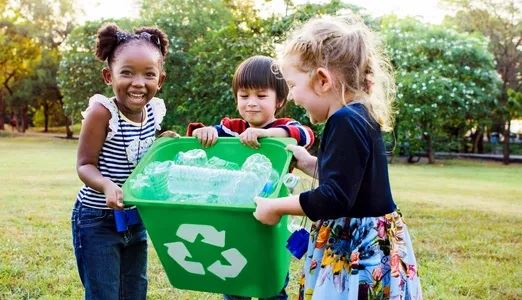
Authentic sustainability stories contribute significantly to opening that sales door. Survey after survey reveal how much consumers now want to use their purchasing power to support positive change. They’re looking to buy from companies behaving responsibly towards the planet and society, and whose stories and communications they can trust.
The Socio-Cultural Trends Research was carried out in Autumn 2024 by Sustainable Brands, a global support group helping businesses embrace sustainability. It found that 60% of consumers actively support companies acting sustainably through choosing to purchase their products or services, and 43% of consumers are willing to pay a premium for ethical and sustainable products.
Research commissioned by Heineken showed that 48% of Gen Z and Millennials would be more inclined to visit a pub if it was “eco-friendly” and took part in sustainable initiatives, and a YouGov survey found environmental sustainability affects decisions that 53% of Brits make around food.

And it’s not just about B2C.
Larger companies with active sustainability policies are pushing this agenda down the supply chain. Their contractors and suppliers must enable the company to remain true to its commitments or the result could be profit and reputation-damaging public accusations of greenwashing. The tendering processes of most public authorities and governmental bodies now require evidence of sustainability commitments. The UK Small Business Consortium found 43% of smaller businesses had been asked about their sustainability credentials when bidding for contracts from companies higher up the supply chain.
In Deloittes ‘Sustainable Consumer’ research, 79% of corporate executives surveyed found a strengthened brand reputation to be one of the most significant business benefits of taking sustainability seriously for their company, and 55% said committing to sustainability gave them a competitive advantage.

Not forgetting the bigger picture
One last advantage of promoting your sustainability work relates to the bigger picture – protecting the planet which is, ultimately, our life support system. The more businesses talk about what they’re doing and promote the benefits flowing from this, the more other businesses will decide to join in and can learn how to start. It could also help your customers to learn how to be greener, offering them added value for choosing to buy from you. The cumulative positive effect for the environment, and the planet, will escalate and we can head towards net zero far more quickly.

Get your stories out there!
So, that brings us back to greenhushing – and don’t get me wrong, I’m not unsympathetic to businesses which are hesitant to talk about their sustainability work. After all, you’re experts in whatever your business is supplying and are busy fire-fighting every day to simply run your business, find more customers, and supply existing customers. Suddenly, sustainability lands on your ‘to do’ list on top of everything else. It’s a complex topic, one which some people study degrees in and why companies hire sustainability professionals. On top of that, there is the fear of greenwashing
But telling your story doesn’t have to be difficult. In fact, your stories will have more impact and be more memorable the shorter and more succinct they are. People only remember one or two messages or facts from something they read, hear or watch.
So, don’t get overawed by the thought of doing your PR and storytelling, it can be straightforward to plan – after all, you’re doing the most important and the hardest bit: embracing sustainability into your business. Be proud about this – your customers really do want to know about this and celebrate with you.

Spark up your PR
Green Spark are a Go Climate Positive Trusted Partner and can help you turn your sustainability work into inspiring stories that’ll grab both hearts and minds of your target audience. Together, we’ll create compelling communications & PR to give you a market advantage and inspire others to go greener, too.
Get in touch today to “Spark up” your PR.
Written by Caroline Aistrop
Founder of Green Spark Marketing, Caroline Aistrop is a Green PR and Marketing specialist.
Caroline’s experience covers more than 30 years working in the sustainability sector handling PR, press work, and campaigns for many organisations. Time spent in environmental journalism with the BBC at the Natural History Unit and in local radio is also amongst her skills set.

